Canadian Bespoke Home Designs: Crafting Unique Living Spaces Across the Country
Creating a home that truly reflects your lifestyle and taste is a journey of discovery and refinement. Over the years, I have come to appreciate how bespoke custom home designs offer a unique opportunity to blend personal expression with functional living. In Canada, where diverse climates and cultural influences shape architectural styles, the art of custom home design becomes even more fascinating. From selecting materials to planning kitchens and baths, every detail matters in creating a space that balances beauty, comfort, and sustainability.
The Essence of Canadian Bespoke Home Designs
When I think about Canadian bespoke home designs, I envision homes that are not only tailored to individual needs but also harmonize with their surroundings. The vastness of Canada means that a home in the coastal regions of British Columbia will differ significantly from one in the prairies or the eastern provinces. This regional diversity calls for a thoughtful approach to design, where local materials and climate considerations play a crucial role.
For example, in colder regions, incorporating high-performance insulation and triple-glazed windows is essential to maintain warmth and energy efficiency. Meanwhile, in milder coastal areas, large windows and open floor plans can maximize natural light and views. The design process often begins with understanding these environmental factors alongside the homeowner’s lifestyle and preferences.
Materials: The Foundation of Timeless Design
One of the most rewarding aspects of bespoke home design is selecting materials that enhance both aesthetics and durability. Canadian wood species such as Douglas fir, cedar, and maple are popular choices for their natural beauty and resilience. These woods can be used in flooring, cabinetry, and exposed beams, adding warmth and texture to interiors.
Stone and brick also feature prominently, especially in regions where they are locally sourced. These materials not only provide structural integrity but also contribute to a home’s character. For sustainable design, I often recommend reclaimed wood and low-VOC finishes, which reduce environmental impact without compromising style.

Designing Kitchens and Baths: The Heart of the Home
Kitchens and bathrooms are pivotal in bespoke home designs. They must be both functional and inviting, reflecting the homeowner’s daily routines and entertaining style. In my experience, a well-designed kitchen balances workflow, storage, and aesthetics seamlessly.
For kitchens, I emphasize the importance of layout. The classic work triangle—connecting the sink, stove, and refrigerator—remains a guiding principle. However, modern designs often incorporate islands or peninsulas that serve multiple purposes, from meal prep to casual dining. Material choices here are critical: quartz and granite countertops offer durability and elegance, while custom cabinetry can be tailored to maximize storage and complement the overall design theme.
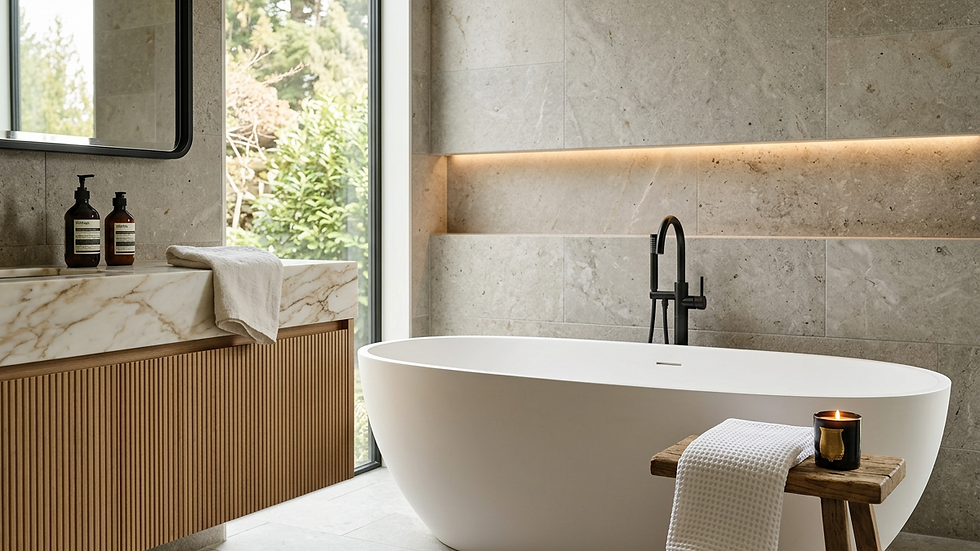
Bathrooms, on the other hand, are sanctuaries. Bespoke designs often include spa-like features such as freestanding tubs, walk-in showers with multiple jets, and heated floors. Natural stone tiles and wood accents create a warm, inviting atmosphere. Lighting design is equally important, with layered lighting solutions that combine task, ambient, and accent lights to enhance both function and mood.
The Design Process: Collaboration and Discovery
Creating a bespoke home is a collaborative journey that requires clear communication and shared vision. From my perspective as a Registered Interior Designer, the process begins with a thorough consultation to understand the client’s needs, lifestyle, and aspirations. This phase often includes site visits, mood boards, and preliminary sketches.
Next comes space planning, where we consider flow, scale, and functionality. This step is crucial to ensure that every square foot serves a purpose and contributes to the overall harmony of the home. Lighting design and material selection follow, with careful attention to how natural and artificial light interact with surfaces and colors.
Throughout the construction phase, ongoing coordination with builders and trades ensures that the design intent is realized without compromise. This hands-on approach helps address challenges promptly and maintain quality standards.
Sustainability in Custom Home Design
Sustainability is no longer an option but a necessity in modern home design. In Canada, where environmental consciousness is growing, integrating sustainable practices into bespoke homes is both responsible and rewarding. I advocate for energy-efficient systems, such as heat recovery ventilators and solar panels, which reduce the home’s carbon footprint.
Material selection also plays a significant role. Choosing locally sourced, renewable, or recycled materials supports the environment and local economies. Additionally, designing for durability and adaptability ensures that homes remain functional and beautiful for generations.
Water conservation is another key aspect, with low-flow fixtures and rainwater harvesting systems becoming increasingly popular. These features not only reduce utility costs but also align with a holistic approach to wellness and environmental stewardship.
Balancing Beauty, Function, and Wellness
Traveling across Canada and beyond has deepened my appreciation for spaces that nurture well-being. A bespoke home should be a sanctuary that supports physical and mental health. This means prioritizing natural light, fresh air, and comfortable acoustics.
Incorporating biophilic design elements—such as indoor plants, natural textures, and views of nature—can significantly enhance the living experience. Thoughtful lighting design, including dimmable fixtures and layered lighting, helps create moods that support relaxation and productivity.
Ultimately, bespoke custom home designs are about creating interiors that resonate with your great taste and lifestyle. They are spaces where every detail is intentional, every material chosen with care, and every room designed to inspire.
Planning a renovation or custom home? Contact Debbie Evans to begin your journey toward a beautifully crafted, functional, and sustainable living space.
Creating Interior Spaces with your great taste


Comments