Designing the Perfect Luxury Home Cinema Setup
Updated: Jul 23
Creating a luxury home cinema is an art form that blends technology, comfort, and aesthetics into a singular, immersive experience. Over the years, my travels and explorations of design have deepened my appreciation for spaces that balance beauty with function. A home cinema is not just about watching movies; it is a sanctuary for wellness, relaxation, and shared moments. When thoughtfully designed, it elevates the entire home environment, reflecting a refined taste and a commitment to quality living.
The Essentials of a Luxury Home Cinema Setup
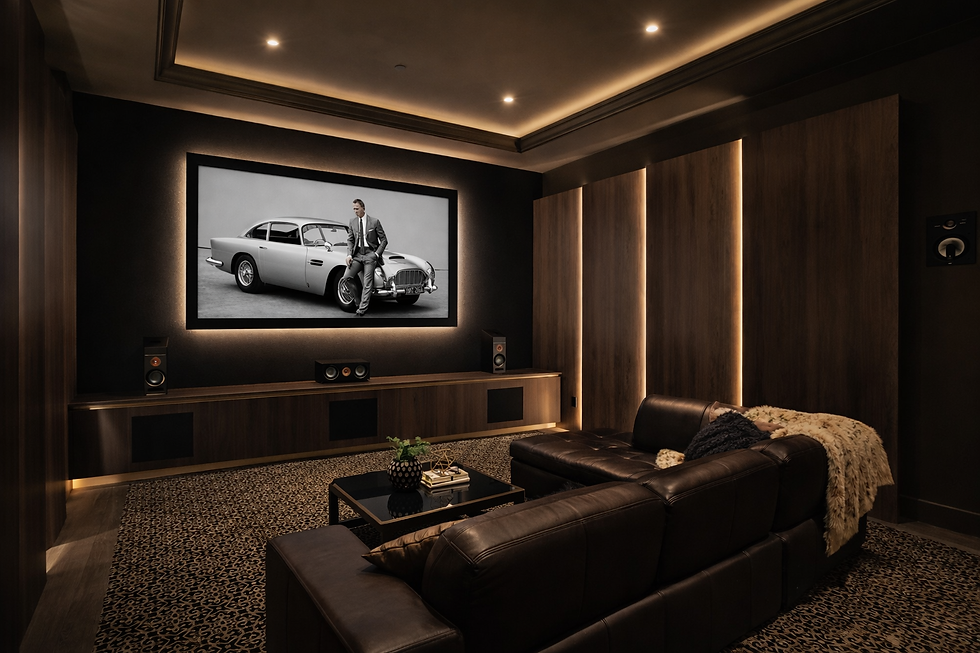
When planning a luxury home cinema setup, the foundation lies in understanding the core elements that contribute to an exceptional viewing experience. These include acoustics, lighting, seating, and technology integration. Each component must be carefully selected and harmonized to create a space that is both inviting and technically superior.
Acoustics and Soundproofing
Sound quality is paramount. The room should be acoustically treated to minimize echoes and external noise. This often involves:
Acoustic panels on walls and ceilings to absorb sound.
Carpeting or plush rugs to reduce sound reflection from floors.
Double-glazed windows or soundproof curtains to block outside noise.
Proper soundproofing ensures that the audio experience is immersive without disturbing other areas of the home. I often recommend consulting with an acoustics specialist early in the design process to tailor solutions to the room’s dimensions and materials.
Lighting Design
Lighting in a home cinema must be adjustable and subtle. Layered lighting options allow for different moods:
Dimmable recessed lights provide ambient illumination.
LED strip lighting along steps or under seats adds safety and style.
Wall sconces with warm tones create a cozy atmosphere.
Avoid harsh overhead lights that cause glare on the screen. Instead, opt for indirect lighting that enhances comfort and focus.
Seating and Comfort
Luxury seating is about more than just comfort; it’s about style and ergonomics. Consider:
Reclining leather or high-quality fabric chairs with built-in cup holders.
Tiered seating arrangements to ensure clear sightlines for all viewers.
Side tables or storage compartments for convenience.
The choice of materials should complement the overall interior design, blending seamlessly with the room’s palette and textures.

Materials and Finishes That Elevate the Experience
The tactile and visual qualities of materials used in a home cinema contribute significantly to its luxury feel. Selecting finishes that are both durable and elegant enhances the room’s longevity and aesthetic appeal.
Walls and Ceilings
Rich, textured wall coverings such as velvet or suede panels not only improve acoustics but also add depth and warmth. For ceilings, consider:
Coffered or tray ceilings with integrated lighting.
Matte paint finishes to reduce light reflection.
These choices create a sophisticated backdrop that supports the cinematic experience without distraction.
Flooring
Flooring should be soft underfoot and absorb sound. Options include:
Thick, high-pile carpets in deep, neutral tones.
Engineered hardwood with area rugs for a blend of elegance and comfort.
Sustainability is also a consideration here. Bamboo or cork flooring can offer eco-friendly alternatives without compromising style.
Sustainable Choices
Incorporating sustainable materials aligns with a long-term vision for the home. Look for:
Low-VOC paints and finishes to improve indoor air quality.
Reclaimed wood accents for character and environmental responsibility.
Energy-efficient lighting and HVAC systems to reduce the room’s carbon footprint.
These choices reflect a commitment to wellness and environmental stewardship, which I find increasingly important in luxury design.

Integrating Technology Seamlessly
Technology is the backbone of any home cinema, but it should never overpower the design. The goal is to integrate equipment discreetly while maintaining ease of use.
Audio and Visual Equipment
Invest in high-quality projectors or OLED screens that deliver crisp, vibrant images. Surround sound systems with strategically placed speakers create an enveloping audio environment. Wireless connectivity and smart home integration allow for effortless control.
Concealment and Accessibility
Custom cabinetry and built-in shelving can house equipment neatly. Motorized screens and blackout curtains add convenience and enhance the viewing experience. Thoughtful cable management keeps the space tidy and safe.
Climate Control
Maintaining a comfortable temperature is essential. Zoned HVAC systems ensure the room stays cool during intense viewing sessions without affecting the rest of the home.
The Design Process: From Vision to Reality
Designing a luxury home cinema is a journey that requires collaboration, planning, and attention to detail. I approach each project with a focus on balance - between technology and comfort, aesthetics and function.
Initial Consultation and Needs Assessment
Understanding the homeowner’s lifestyle, preferences, and space constraints is the first step. This includes discussing:
Preferred types of media and usage patterns.
Desired seating capacity.
Integration with existing home systems.
Space Planning and Layout
The room’s dimensions dictate many design decisions. I prioritize sightlines, acoustics, and traffic flow to ensure the space feels open yet intimate.
Material and Finish Selection
Samples and mood boards help visualize the final look. I emphasize materials that age gracefully and contribute to the room’s acoustic and visual quality.
Installation and Fine-Tuning
Working with trusted contractors and specialists ensures that the technical and aesthetic elements come together flawlessly. Final calibration of audio and video equipment is critical to achieving the perfect balance.
Enhancing Wellness and Lifestyle Through Design
A luxury home cinema is more than a room; it is a retreat that supports wellness and connection. The design should promote relaxation and enjoyment, offering a respite from daily stresses.
Ergonomic seating supports physical comfort.
Controlled lighting reduces eye strain.
Acoustic treatments create a peaceful environment.
In my experience, these elements contribute to a space that feels both indulgent and restorative. The joy of discovering new films or sharing classics with loved ones is amplified in such a thoughtfully crafted environment.
Designing for Lifestyle vs. Designing for Resale
A media room can be a highly personal space, but it’s important to understand how design choices may impact future resale.
Overly themed media rooms, dark finishes, or highly customized layouts can limit buyer appeal. While these designs may work perfectly for a homeowner’s lifestyle, they can feel restrictive or dated to a buyer.
In many cases, buyers don’t see these spaces as a luxury upgrade — they see the cost and effort required to modify or remove them.

From my experience, the most successful media rooms balance performance and flexibility:
Neutral, layered design rather than heavy themes
High-quality acoustics without overbuilding
Comfortable, adaptable seating layouts
Lighting that enhances the experience without darkening the entire space
This approach allows the room to function beautifully today, while still appealing to a broad range of buyers in the future.
Planning a renovation or custom home? Contact Debbie Evans.
Buying or renovating a property? Let’s discuss smart upgrades.
Renovating in Vancouver or Whistler? Start the conversation.
Creating Interior Spaces with your great taste
Call Debbie Now 778-875-4934, or book a consultation here.


Comments